
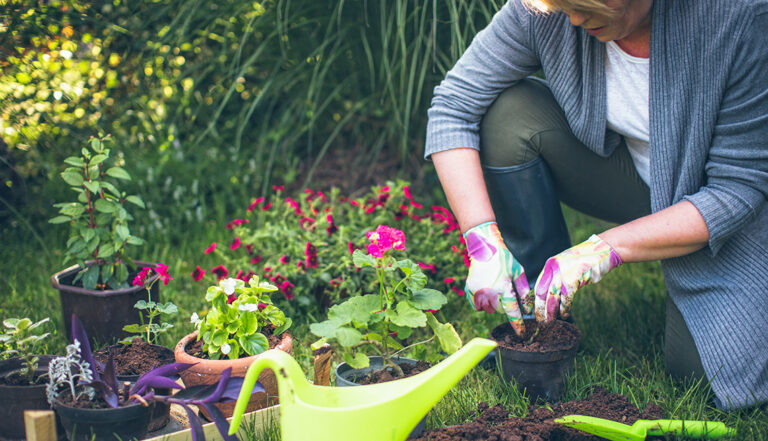
Mastering the art of soil management is the cornerstone of cultivating a thriving and vibrant garden. A healthy garden foundation begins with understanding the crucial role that soil plays in supporting plant growth and sustainability. Firstly, soil composition is paramount. A balanced mixture of sand, silt and clay, known as loam, offers optimal drainage, aeration and nutrient retention. Amending the soil with organic matter such as compost or well-rotted manure further enhances its structure, promoting a crumbly texture that allows roots to penetrate easily and water to infiltrate effectively. Moreover, comprehending the pH levels of the soil is vital. Different plants thrive in varying pH ranges, so testing and adjusting the soil’s acidity or alkalinity can significantly impact growth. While some plants prefer slightly acidic soils, others flourish in alkaline environments. Regular monitoring and appropriate amendments using materials like lime or sulfur can create the ideal pH conditions for specific plant groups, ensuring they access essential nutrients.

Maintaining soil fertility is another key consideration. Essential nutrients like nitrogen, phosphorus and potassium, along with secondary nutrients and trace minerals, provide the nourishment plants need to flourish. Employing natural fertilizers or organic amendments not only enriches the soil but also fosters a diverse ecosystem of microorganisms. These beneficial microbes contribute to nutrient cycling, disease suppression and overall soil health. Water management is intertwined with healthy soil maintenance. Well-draining soil prevents waterlogging and root rot, while proper water retention ensures consistent hydration for plants. Mulching is a valuable technique that aids in moisture conservation, weed suppression and temperature regulation. Organic mulches, such as straw or wood chips, also decompose over time, further enriching the soil with organic matter.
An often underestimated aspect of soil care is minimizing compaction. Regular foot traffic or heavy machinery can compact soil particles, get the facts reducing pore space and impeding root growth. Employing techniques like no-till gardening and using raised beds helps alleviate compaction, preserving soil structure and encouraging robust root systems. In conclusion, mastering the art of soil management demands a holistic approach that takes into account composition, pH levels, fertility, water retention and compaction. A well-maintained garden foundation relies on soil that provides a hospitable environment for plants to thrive. By investing time and effort into understanding and nurturing the soil, gardeners can ensure bountiful harvests, vibrant blooms and a sustainable garden ecosystem for years to come.


 Moreover, small businesses play a vital role in fostering a sense of community and promoting local economic growth. When you start a business in your neighborhood or town, you create job opportunities, support local suppliers and contribute to the overall prosperity of the area. By establishing strong relationships with customers and engaging in personalized interactions, small businesses can build customer loyalty and gain a competitive edge. Additionally, technology has significantly leveled the playing field for small businesses. With the internet and digital platforms, you can reach a global audience without the need for a massive marketing budget. Social media, online marketplaces and e-commerce websites enable you to showcase your products or services to potential customers worldwide, breaking down geographical barriers and expanding your market reach. Furthermore, as an entrepreneur, you have the power to make a positive impact on society and the environment. Many consumers today are conscious of the impact of their purchasing decisions on the planet, seeking products and services from businesses that align with their values. By adopting sustainable practices and promoting ethical initiatives, small businesses can attract a growing segment of socially conscious consumers and contribute to a greener and more sustainable future.