
Choosing a party theme is often the first big decision parents make when planning a child’s birthday. The right theme sets the tone for decorations, activities and even food, helping the day feel special rather than rushed or generic. With so many kids party themes available now, it’s easier than ever to create an experience that matches your child’s interests and keeps guests entertained.
Adventure and Action Themes
Adventure-style parties are perfect for children who love movement and excitement. Pirate, superhero and explorer themes encourage imaginative play and group games. These themes work well for mixed-age groups because activities can be adapted to suit different energy levels, from simple treasure hunts to more interactive challenges.
Creative and Imaginative Themes
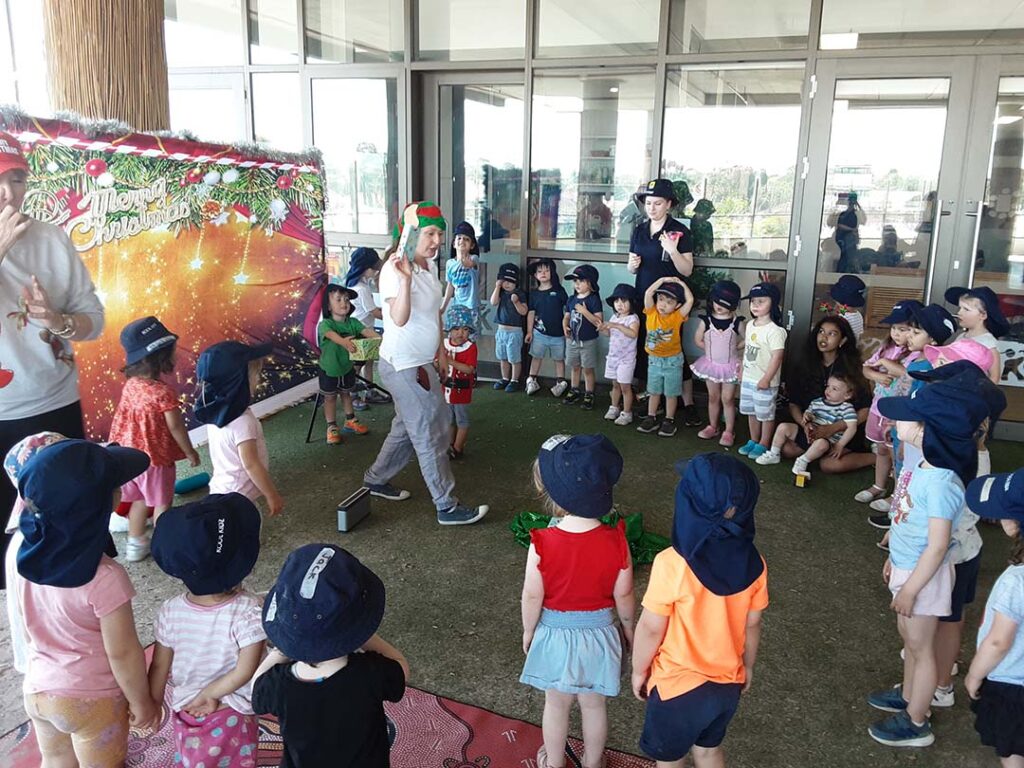
Some children prefer creativity over competition. Art, craft and fantasy-based parties allow kids to express themselves while still having fun together. Unicorns, fairies, space explorers and storytelling themes are popular examples. These kids party themes often include hands-on activities that keep children focused and engaged throughout the celebration.
Science and Discovery Themes
For curious kids who love asking questions, science-themed parties combine excitement with learning. Interactive experiments, colourful reactions and safe hands-on activities give children something memorable to take part in. These themes are especially popular with parents who want entertainment that feels both fun and meaningful.
Music, Dance and Performance Themes
Music-based parties are ideal for energetic groups. Disco, pop-star or talent-show themes let kids dance, sing and perform without pressure. These parties help build confidence while keeping the atmosphere upbeat. They also work well in both small and larger venues where movement is encouraged.
Character and Storybook Themes
Characters from books, films or TV shows remain a favourite choice. Whether it’s princesses, wizards or animated favourites, character-led parties help children feel immersed in the experience. Activities are often guided by a storyline, which keeps children interested and helps the party flow smoothly.
Choosing a Theme That Fits Your Child
When selecting a theme, think about what your child enjoys daily rather than what’s trending. A theme connected to their real interests will feel more personal and exciting. It’s also worth considering how flexible the theme is, especially if guests are different ages.
Making Themed Parties Easy to Plan
Themed parties don’t have to be complicated to be effective. Clear structure, engaging activities and age-appropriate entertainment make a bigger impact than expensive decorations. Parents looking for inspiration and organised options around kids party themes often find that choosing a well-planned format removes stress and helps the celebration run smoothly.