
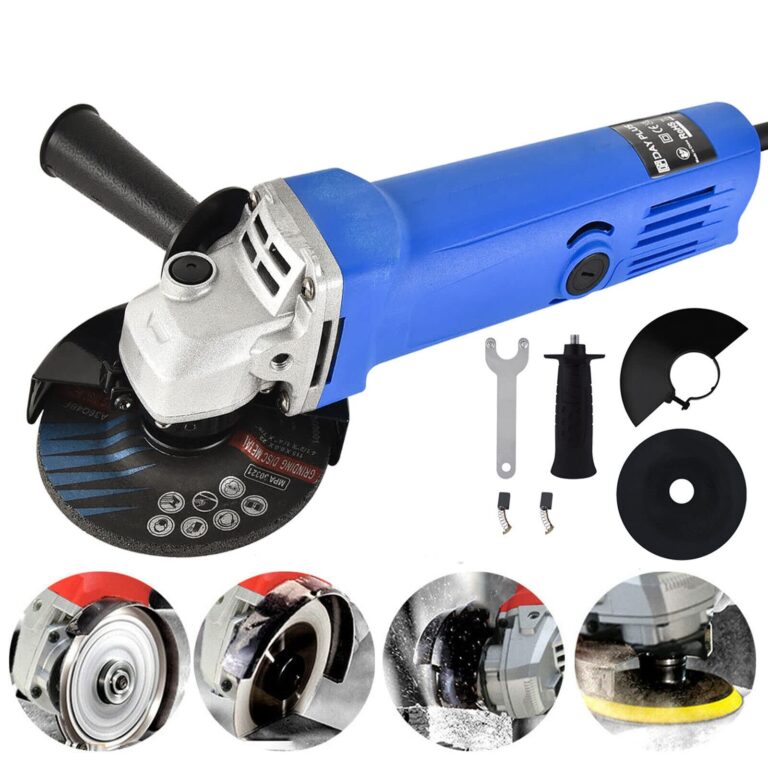
In the world of construction, metalwork, and even DIY projects, precision cutting has always been a critical skill. Over the years, various tools have been developed to meet the growing demand for accuracy and efficiency in cutting tasks. Among these tools, the angle grinder has emerged as a game-changer. What was once a tool reserved for professionals has now become a staple in many DIY enthusiasts’ toolkits, revolutionizing how we approach cutting in both professional and personal projects?
Versatility of Angle Grinders
One of the primary reasons Angle Grinders are so revolutionary is their versatility. Traditionally used for grinding and polishing, these tools have evolved to handle a wide range of cutting tasks. With the right attachment, an angle grinder can cut through metal, stone, concrete, tile, and even wood. This adaptability makes it an invaluable tool for professionals who need to switch between different materials quickly and efficiently. For DIY enthusiasts, it means one tool can serve multiple purposes, reducing the need to invest in multiple specialized tools. Precision is key in any cutting task, and angle grinders have made significant strides in this area. Modern angle grinders are equipped with features that enhance their cutting accuracy. Adjustable guards and depth gauges allow users to control the cutting depth and angle with greater precision. Additionally, advancements in disc technology have led to the development of thinner, more precise cutting discs that reduce material wastage and produce cleaner cuts. This precision is particularly beneficial in projects where fine details and tight tolerances are crucial, such as metal fabrication or intricate tile work.

Safety Enhancements
Safety has always been a concern when working with powerful tools like angle grinders. However, recent innovations have significantly improved the safety features of these tools. Many modern angle grinders now come with anti-kickback systems that prevent the tool from jerking violently if the disc binds in the material. Additionally, electronic speed controls allow for smoother operation, reducing the risk of accidents. In professional settings, the ability to quickly and accurately cut through different materials with a single tool increases productivity and reduces downtime. This efficiency is crucial in industries like construction and metalworking, where time is money. On the other hand, for DIY enthusiasts, the angle grinder opens up new possibilities. Complex projects that were once considered out of reach due to the lack of specialized tools can now be tackled with confidence. Whether it is cutting through rebar for a concrete project, trimming tiles for a kitchen renovation, or shaping metal for a custom piece of furniture, angle grinders empower users to achieve professional-grade results at home.
The Future of Angle Grinders in Precision Cutting
As technology continues to advance, the capabilities of angle grinders are likely to expand even further. With ongoing improvements in power, precision, and safety, these tools will continue to play a pivotal role in both professional and DIY projects. Whether you are a seasoned professional or a weekend warrior, mastering the art of precision cutting with an angle grinder can open up a world of possibilities, transforming your approach to projects and enhancing the quality of your work.






 The variety of subjects and disciplines offered through online courses is another compelling factor driving their popularity. From technical skills such as coding and data analysis to creative fields like photography and graphic design, online platforms host courses on virtually every topic imaginable. This breadth allows individuals to explore new interests or deepen their expertise in their chosen field, making lifelong learning more accessible and achievable than ever before. Moreover, online courses often feature instructors who are experts in their respective fields, bringing real-world experience and insights to the virtual classroom. Collaborative tools such as discussion boards and video conferencing further facilitate interaction and engagement among students and instructors, creating a dynamic learning environment that fosters collaboration and community. While online courses offer numerous benefits, they are not without challenges. Additionally, the lack of face-to-face interaction can pose challenges for those who thrive on interpersonal connections or benefit from hands-on learning experiences. However, advancements in the