
Shopping should feel easy, not like hard work
Clothing stores have a slightly different challenge from many other retailers. Customers aren’t just looking for a particular item; they’re often browsing for ideas, comparing colours, checking fabrics and deciding whether something fits their style.
If the store feels cramped or the merchandise is difficult to sort through, people may leave without ever seeing something they would have liked. Good merchandising makes browsing feel natural, giving customers reasons to explore without making the shop harder to navigate.
Give shoppers more than one way to browse
Hanging rails are essential for clothing, but they don’t have to do all the work. Folded T-shirts, jeans, knitwear and accessories can be easier to compare when they’re presented horizontally rather than packed onto hangers.
This creates variety across the sales floor and lets customers interact with merchandise in different ways. Some shoppers prefer flicking through a rail, while others would rather pick up a folded item and compare it with the options beside it.
Using clothing tables alongside hanging displays gives retailers another way to present products and makes it easier to group items by colour, style, collection or occasion.
Make the popular items easy to reach
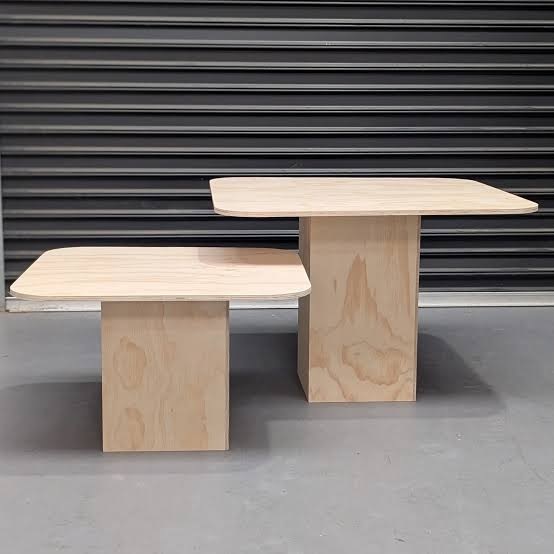
The products customers see first often get the most attention, but visibility alone isn’t enough. People need to be able to reach the merchandise without moving other items or disturbing an entire display.
Keep frequently handled products at comfortable heights and avoid stacking folded clothing so high that customers have to pull items from the bottom. A display that looks tidy when first arranged should still be practical after dozens of people have browsed it.
This is where staff experience becomes useful. Employees usually know which products customers pick up most often and which displays become messy within an hour.
Leave room for customers to compare
Clothing purchases often involve comparison. Customers may want to check two colours, look at different sizes or hold an item against something else they’re considering.
If displays are packed too tightly, that process becomes awkward. Shoppers may end up carrying several items around or putting things back in the wrong place simply because there isn’t enough room to browse comfortably.
A little space between product groups can make a real difference. It also helps staff maintain the display throughout the day.
Don’t forget the rest of the store
A good clothing display needs to work with the surrounding layout. Tables placed too close to fitting rooms can create congestion, while displays near the entrance shouldn’t prevent customers from stepping inside and getting their bearings.
Consider how people move between hanging rails, mirrors, fitting rooms and the checkout. These areas are connected, even if they’re planned separately.
It’s also worth keeping a clear route for staff who need to replenish stock or return unwanted items to the correct section.
Keep the presentation realistic
Perfectly folded stacks look good in photographs, but a retail display has to survive actual shopping. Choose arrangements that staff can restore quickly and that don’t become untidy after a handful of customers.
It helps to limit the number of different products on each table and give each group a clear purpose. If customers can understand the arrangement at a glance, they’re more likely to browse it properly.
The aim is to make browsing feel natural
A successful clothing store doesn’t need to fill every surface with merchandise. It needs to make the right products visible, give shoppers room to compare options and keep the layout comfortable during busy periods.
When hanging displays, tables and fitting areas work together, customers can move through the store without constantly adjusting to the layout. That makes the shopping experience easier — and gives the merchandise a better chance of being noticed.