A lot of store owners set up their fixture layout based on what the store looks like during opening week. The problem is retail spaces change quickly after that. New inventory arrives, categories expand, and sections that originally felt spacious suddenly become overcrowded.
If the fixture plan only works for day one, the store becomes harder to manage over time.
Think About Expansion Early
Even smaller retail stores usually grow into their space differently than expected.
One category starts selling better than another. Seasonal products need temporary space. New product lines get added without removing older ones.
That’s why flexibility matters more than trying to create a “perfect” fixed layout immediately.
Fixtures that can be moved, repurposed, or expanded later tend to hold up better long term.
Different Product Types Need Different Presentation
Not everything belongs on open shelving.
Some products need:
- extra visibility
- cleaner presentation
- controlled customer access
- better protection from handling
That’s where enclosed displays become useful, especially for smaller or higher-value merchandise.
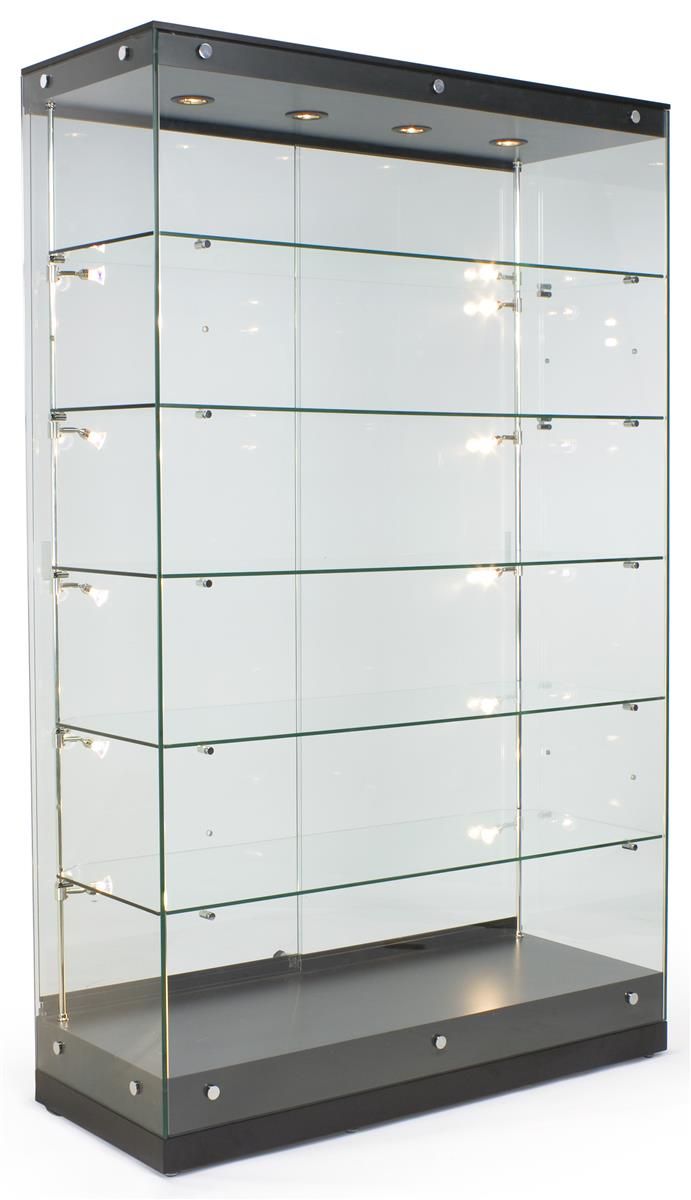
Many retailers look into wholesale display cases because they allow stores to scale display capacity while keeping presentation consistent across multiple sections. Instead of mixing completely different fixture styles together over time, stores can maintain a more organized appearance as inventory grows.
Consistency Makes Stores Easier to Shop
Customers notice when a store starts feeling pieced together.
One random fixture added here, another temporary setup there — eventually the layout loses structure. Even if the products are good, the store starts feeling less organized.
Using consistent fixture styles helps maintain visual flow as the store expands:
- similar heights
- matching materials
- consistent spacing between displays
It keeps the environment looking intentional instead of reactive.
Don’t Overfill Displays as Inventory Grows
One of the easiest traps is using every bit of available display space once stock increases.
That usually hurts visibility more than it helps sales.
Customers browse better when products have room around them. If displays become too dense, people scan less carefully and skip sections faster.
More stock doesn’t always mean more products should be shown at once.
Leave Space for Seasonal Changes
Retail layouts should have breathing room built into them.
Seasonal merchandise, promotional products, or temporary collections always appear throughout the year. If the store is already completely maxed out, adding anything new creates clutter immediately.
Open areas and movable fixtures give you more flexibility without needing major layout changes every few months.
Staff Efficiency Matters Too
A store that looks good but is difficult to restock eventually becomes difficult to maintain.
Displays should allow staff to:
- clean easily
- reorganize quickly
- access products without disrupting nearby sections
The easier the system is to manage, the more consistent the store stays during busy periods.
Avoid Buying Fixtures Only for Appearance
Some fixtures look impressive but create problems in daily use.
Oversized displays, awkward storage access, or difficult cleaning setups become frustrating quickly once the store is operating full time.
Practical layouts usually outperform decorative ones over the long run.
What This Comes Down To
Good retail fixture planning isn’t about making the store look perfect for one day. It’s about building a setup that still works six months or a year later after inventory changes and product categories evolve.
Stores that stay organized over time usually plan for flexibility from the start instead of constantly reacting later.